Written by a speech-language pathologist.
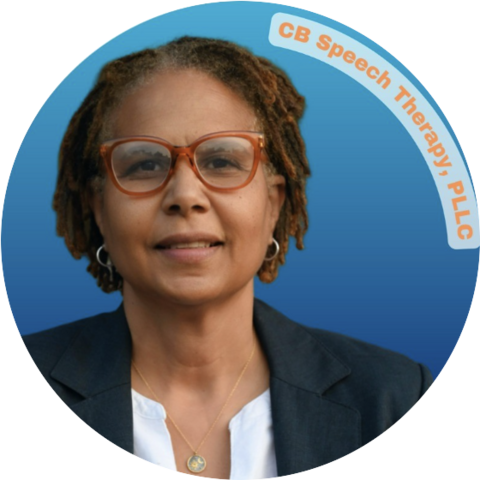
Licensed in NY, PA, and GA
I’m Carole Bonhomme, M.S., CCC-SLP, a speech-language pathologist with more than 35 years of experience helping people communicate more clearly, confidently, and easily. I am licensed in New York, Pennsylvania, and Georgia.
The idea for The Accent Fix grew out of my work with a Mandarin-speaking client who wanted to improve his American English pronunciation and accent. As I developed lessons specifically to address the pronunciation patterns he was experiencing, I realized that these strategies could help many other English learners facing similar challenges.
So I decided to turn those lessons into an interactive, self-paced workbook with audio practice — a resource that learners can use independently, while still benefiting from the principles and techniques I use as a speech-language pathologist.
My goal is not to erase anyone’s identity or make people sound like someone they’re not. The Accent Fix is about becoming easier to understand while keeping your own voice. With decades of clinical experience behind it, this workbook brings together practical pronunciation instruction, targeted exercises, and extensive audio practice in one convenient resource.
I created The Accent Fix to share what I’ve learned with more people — and to make effective pronunciation practice accessible, practical, and engaging.